Stuck in Movement
One hour a day. According to Cesare Marchetti, this is the universal time budget every individual dedicates to transportation.
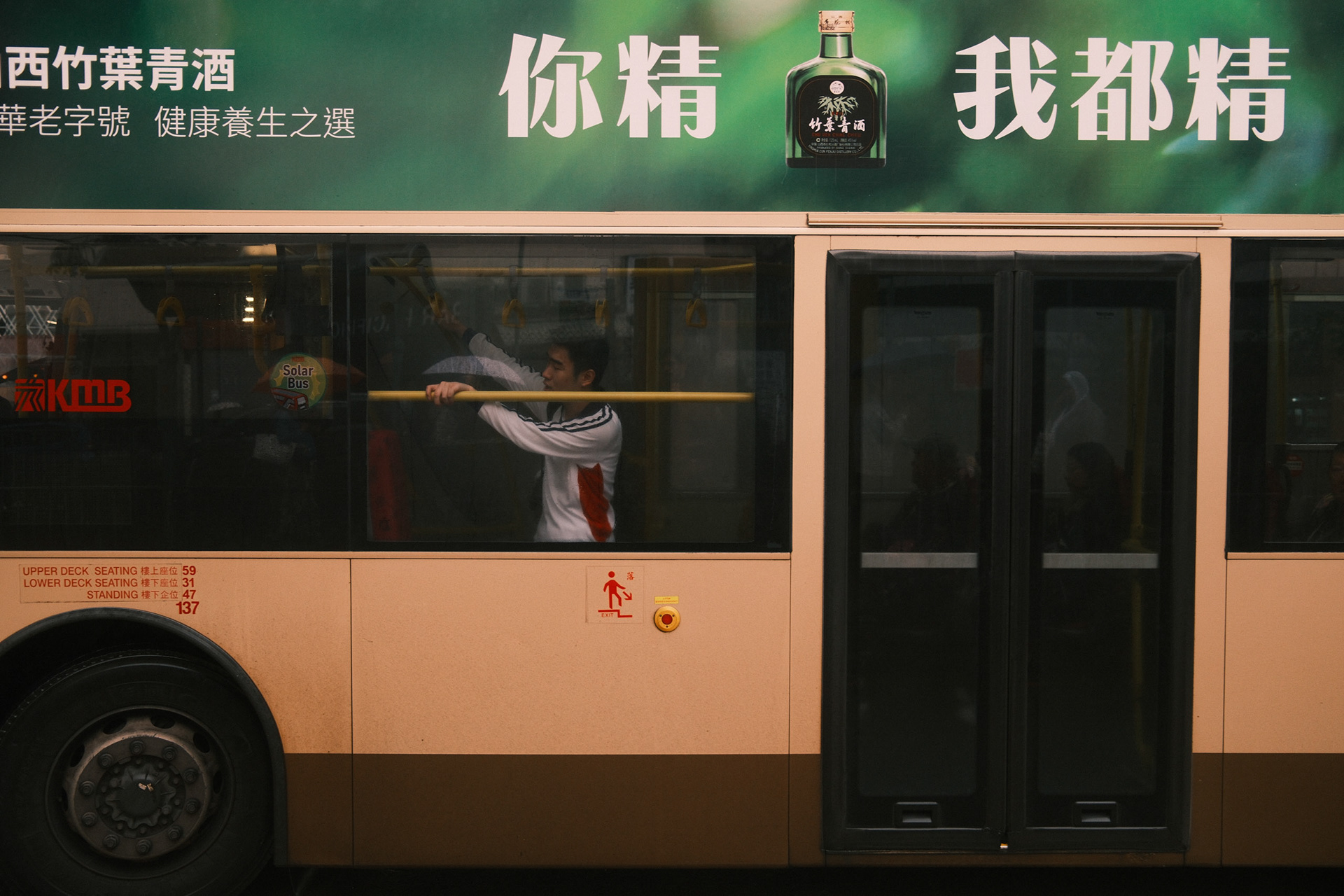
Hongkong
Hong Kong, on one hand, has the highest usage rate for public transportation on the planet. The extremely precise network shows you a big mix of passengers, from a blue collar worker to a CEO from Central. Both of them use the Octopus card system to pay. What started out as a simple transit card grew quickly into a city wide payment method, and even ended up being used as the keycard for their apartments.
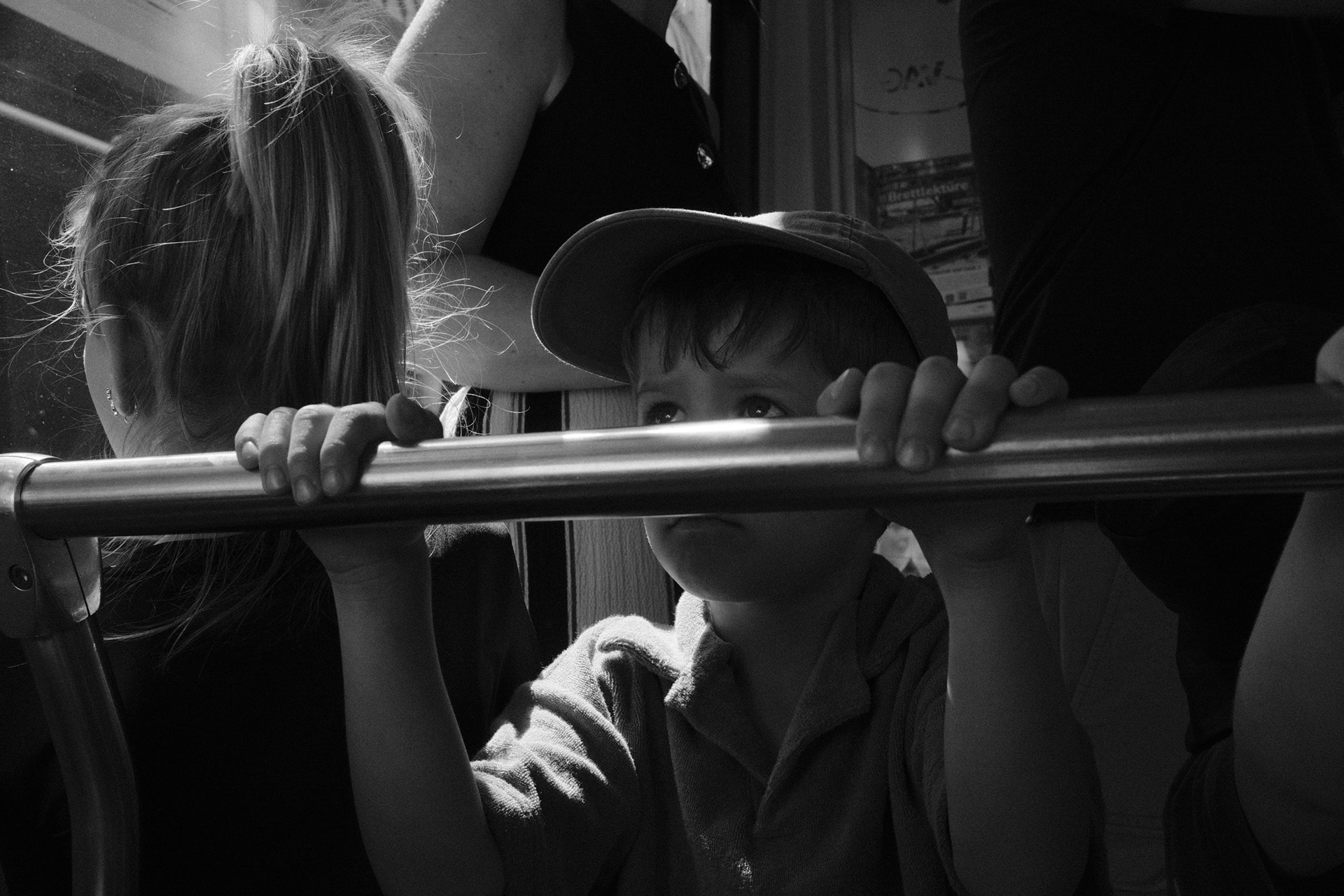
Freiburg
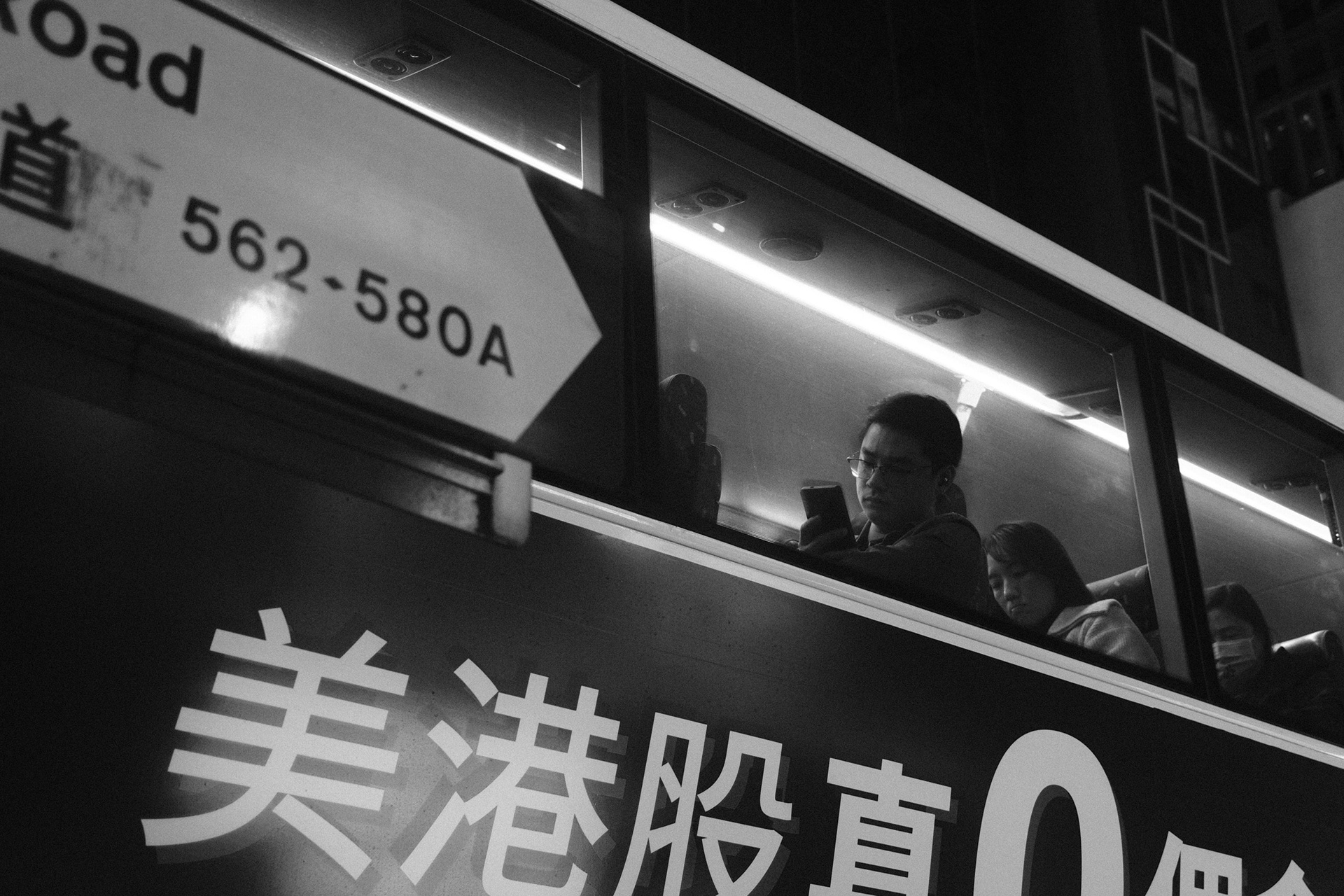
Hongkong
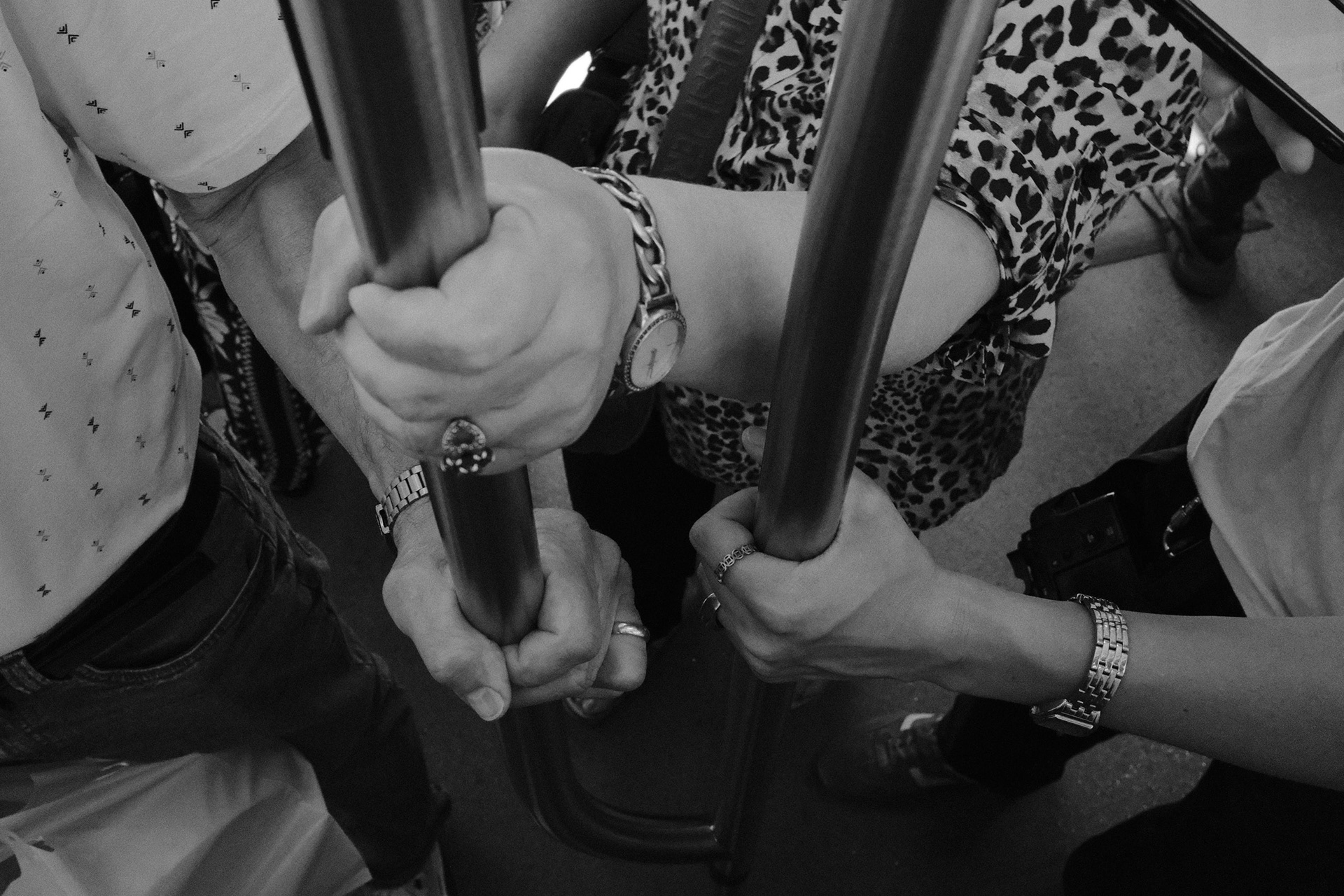
Tirana
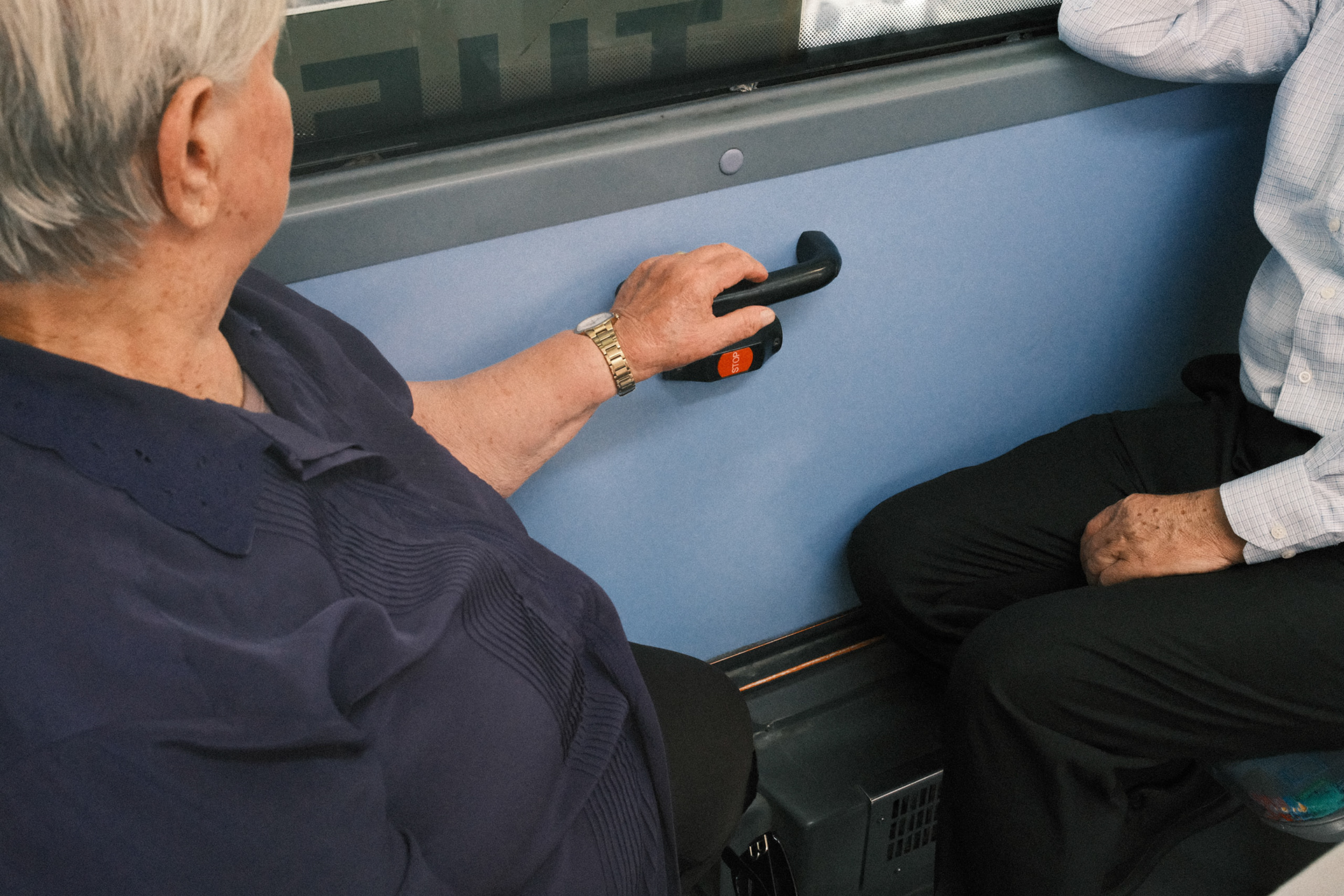
On the other hand, in a place like Tirana, with a rough rate of only 22% the chaotic and very unreliable bus system with a human ticket seller inside every bus shows you only people inside that are not able to afford a car.
In Paris, the government and employers heavily subsidize your monthly pass. However, the working class in the Banlieues pays a brutal price with their lifetime, because the transit system is highly unreliable compared to the privileged city center.
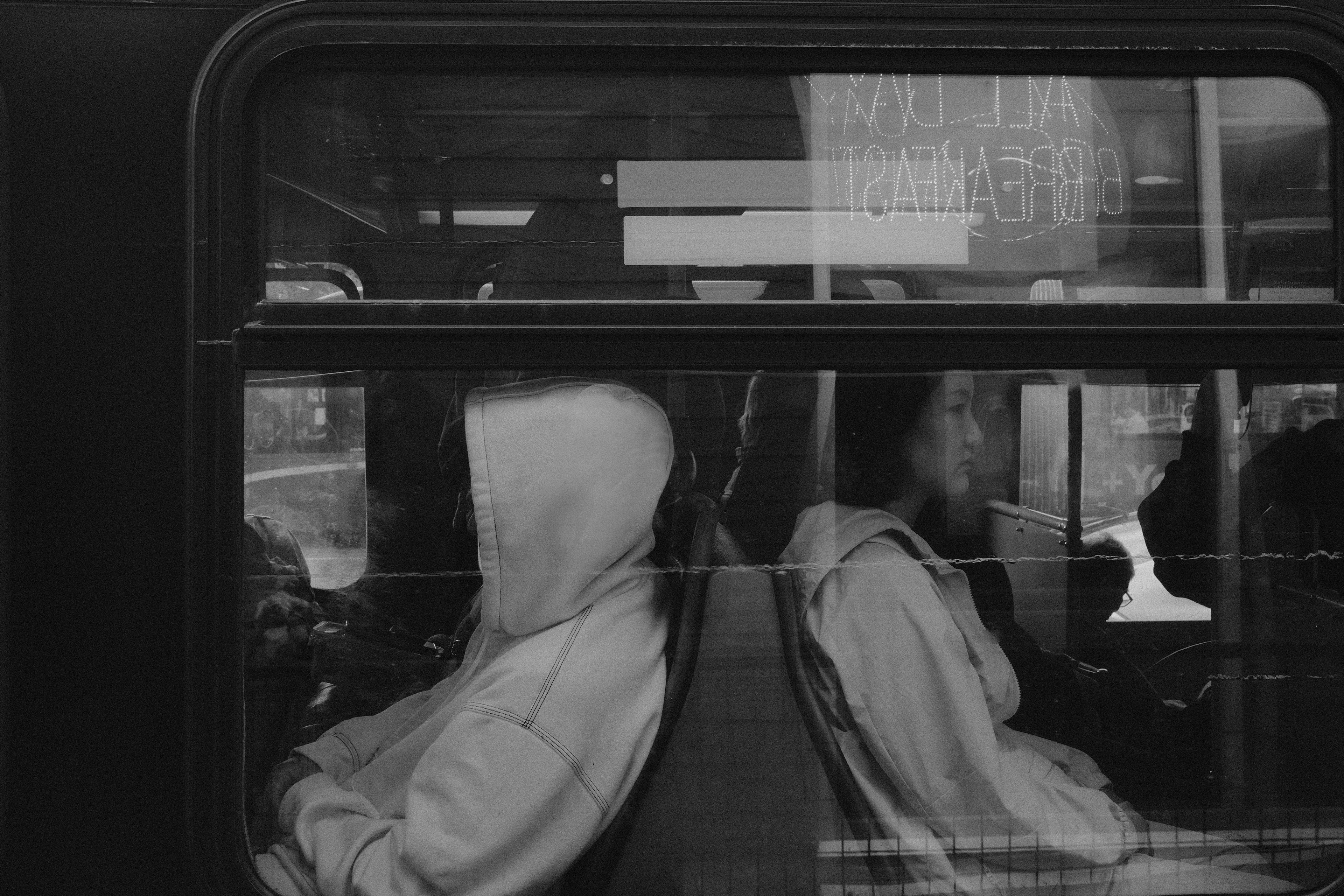
Vancouver
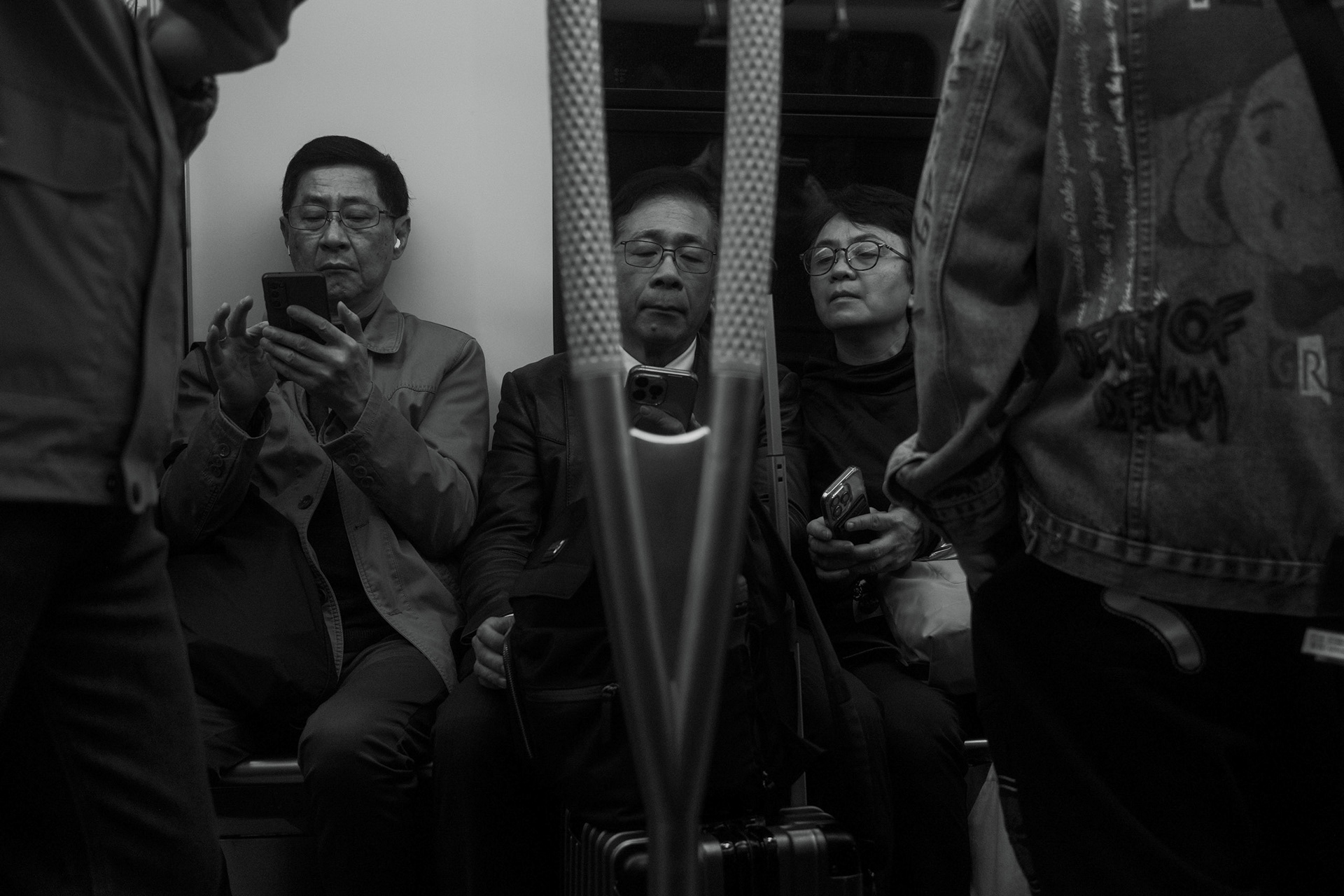
Hongkong
In Vancouver, the system doesn't care about your income there is no helping hand. If you are forced to live further out, you are financially punished by the multi zone pricing system. It is a grim paradox for a city that pioneered one of the longest automated train networks in the world. And you better pray you don't have to rely on the bus, or you will lose your money and your time.
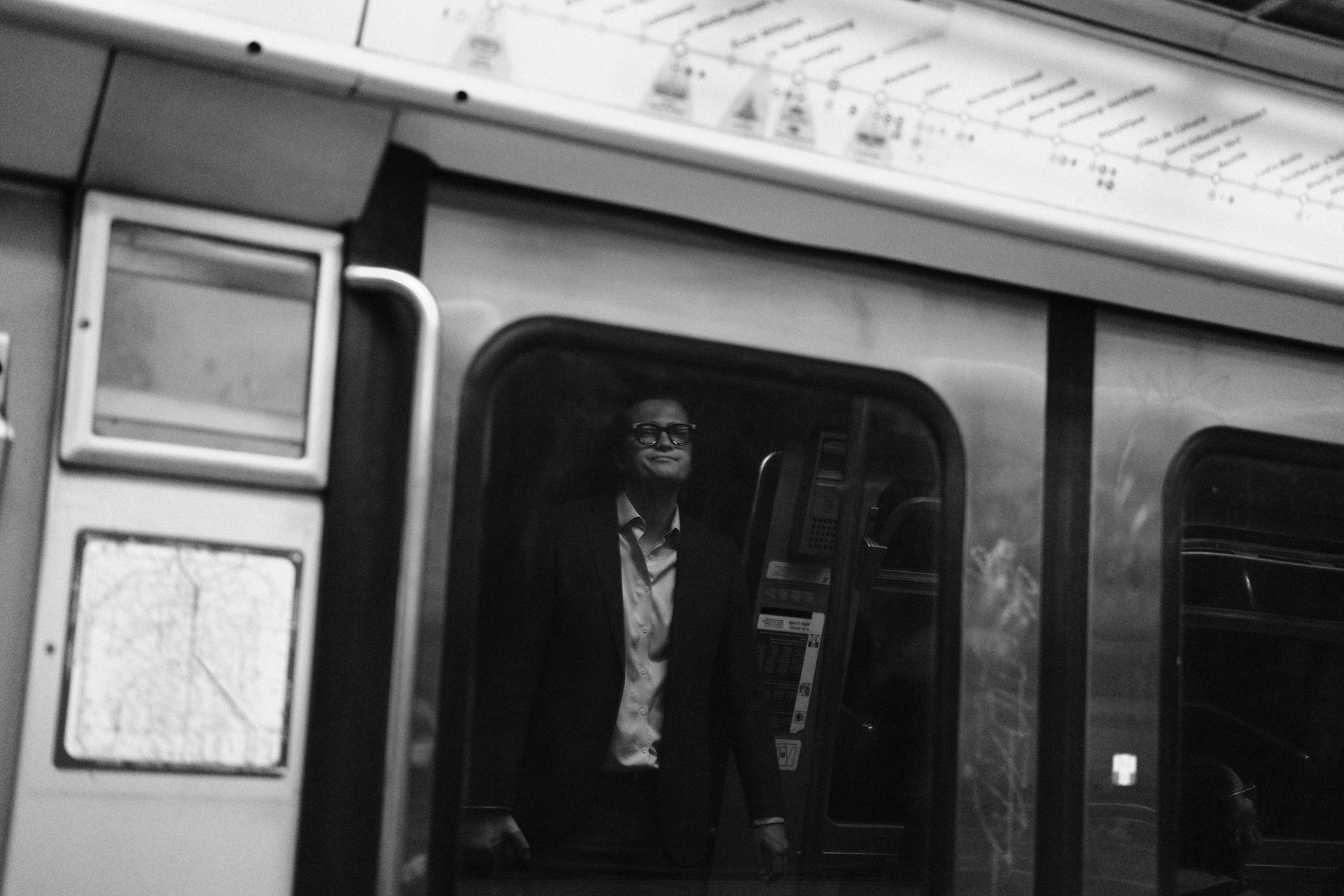
Paris
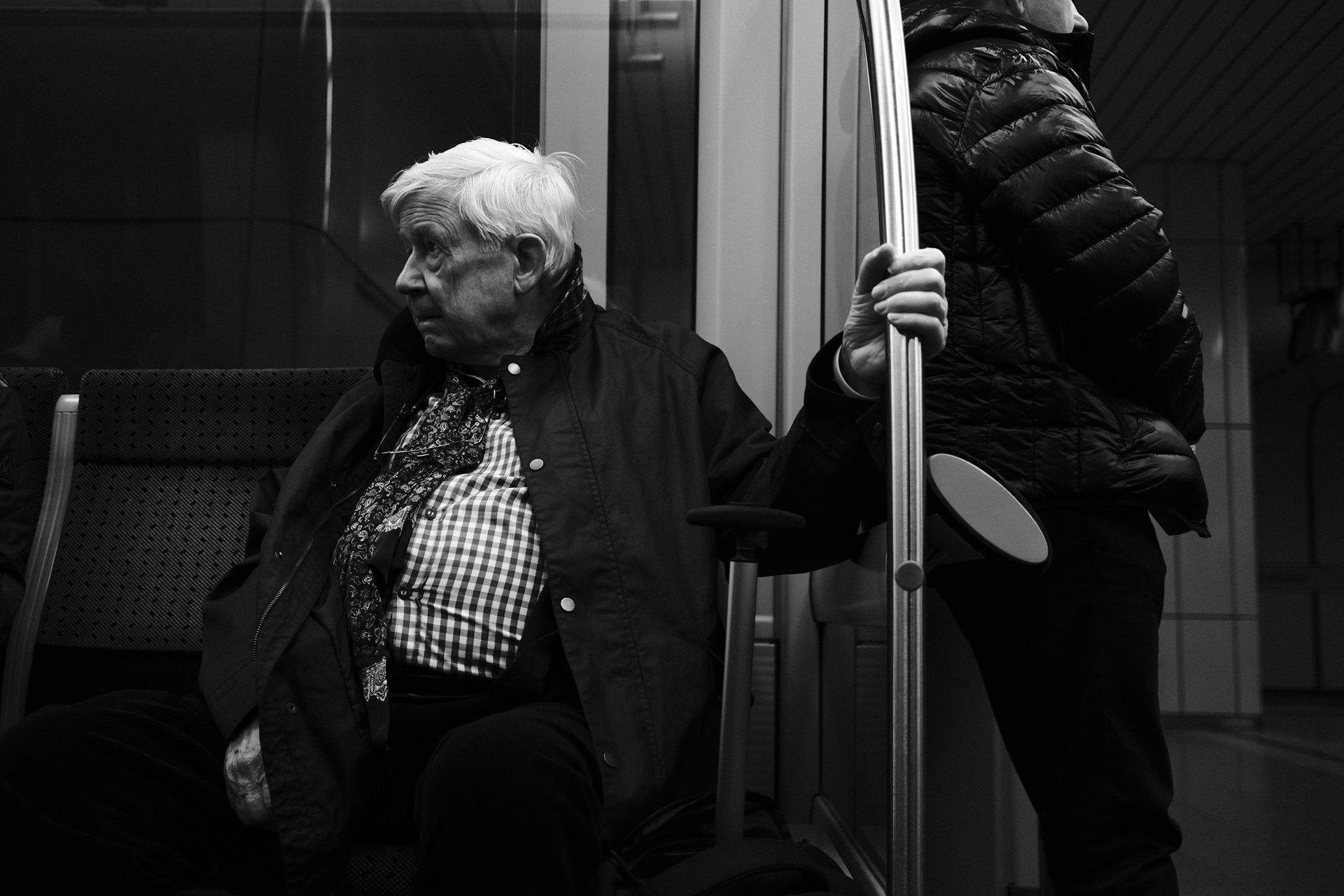
München
Freiburg
Quick math under Marchetti’s constant a person loses 18 hours a month in public transportation.This results in 9 full days a year, costing you a whole year of your lifetime over your working life.
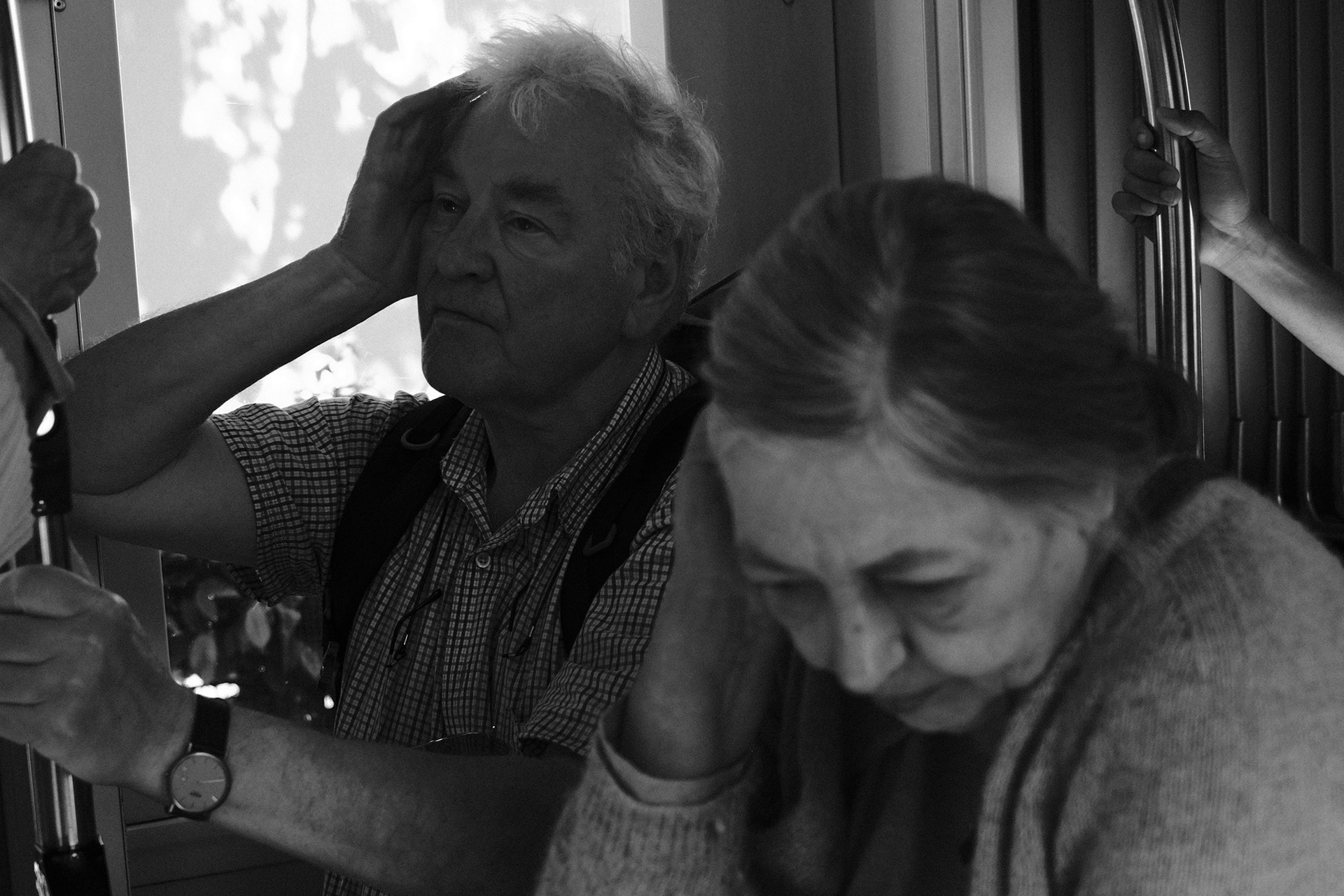
Besides the social status, the amount of time spent in transit and the conditions and different vibes of the trains the output is the same. The same state of trance, a state of being trapped in the moment, stuck in movement.
Tirana